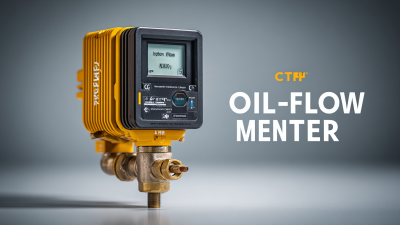
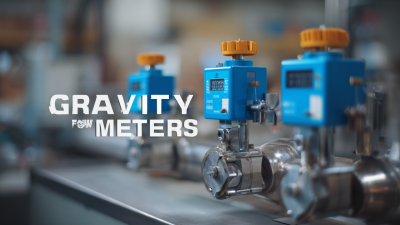
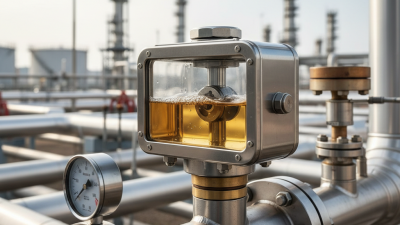
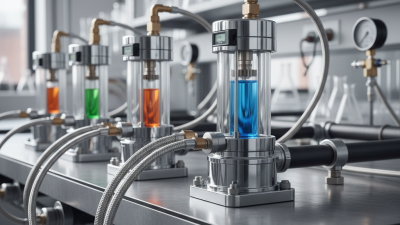
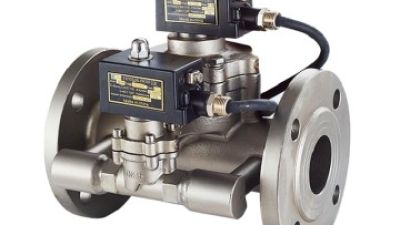
The Oil Flow Meter is actually one of those tools you can’t really do without in the oil and gas world. It’s what they use to measure how much oil is flowing, which is pretty crucial for getting products out there and making sure everything's running smoothly. I came across a report from Markets and Markets that says the market for these meters could hit around $6.2 billion by 2025. That’s kind of a huge jump, and it really shows just how much everyone now really needs accuracy when it comes to tracking oil supplies.
Using an Oil Flow Meter isn’t exactly straightforward; these devices rely on some pretty advanced tech, using methods like volumetric and mass flow measurement. Big names like Emerson and Endress+Haeuser are leading the charge here. Getting precise readings isn’t just about accuracy; it’s also about making sure companies stay compliant with industry rules and, on top of that, run their operations as smoothly as possible. Of course, if they don’t install these meters properly, or if they’re not maintained well, you can wind up with some serious measurement errors — which nobody wants.
Even with all these tech improvements, there are still some hurdles. For example, environmental conditions — stuff like temperature or pressure changes — can throw off the readings. So, knowing the environment where the meter is used makes a big difference. If the measurement system isn’t trusted, it can lead to inefficient workflows and kind of mess up the whole operation. That’s why it's super important for anyone in the oil game to get a good grasp of how these meters work. When you have reliable tools, making smart decisions and managing resources becomes a whole lot easier.
What is an Oil Flow Meter?
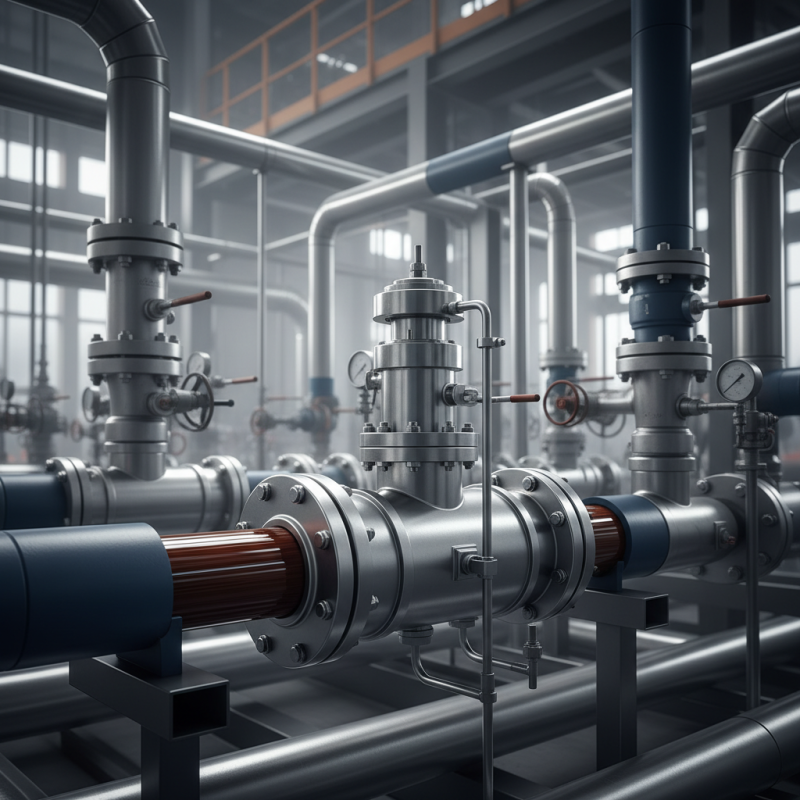
An oil flow meter is a vital device in the oil and gas industry. It measures the amount of oil that flows through pipelines and other systems. Accurate measurement is crucial for safety and efficiency. According to the Flow Measurement Standard ISO 5167, even a small error in flow measurement can lead to significant financial losses.
Typically, oil flow meters operate by calculating the velocity of the fluid through a pipe. Many utilize technologies like positive displacement or ultrasonic measurements. These technologies help ensure precision. A 2021 report by MarketsandMarkets states that the global market for oil flow meters is expected to reach $5 billion by 2025, driven by rising oil production and the need for efficient management.
However, there are challenges in achieving accuracy. Factors like temperature, pressure, and fluid properties can affect readings. Sometimes, the equipment may require recalibration or maintenance, leading to downtime. In practice, a Fuel Oil Flow Meter could be impacted by the viscosity of the oil being measured. Thus, understanding these variables is essential for optimal meter performance. Frequent checks and adjustments are necessary to maintain reliable data in industrial applications.
Oil Flow Meter Measurements
This chart illustrates the monthly oil flow measurements in thousands of liters over a year, showcasing the variations in oil flow rates.
The Importance of Oil Flow Meters in Industry
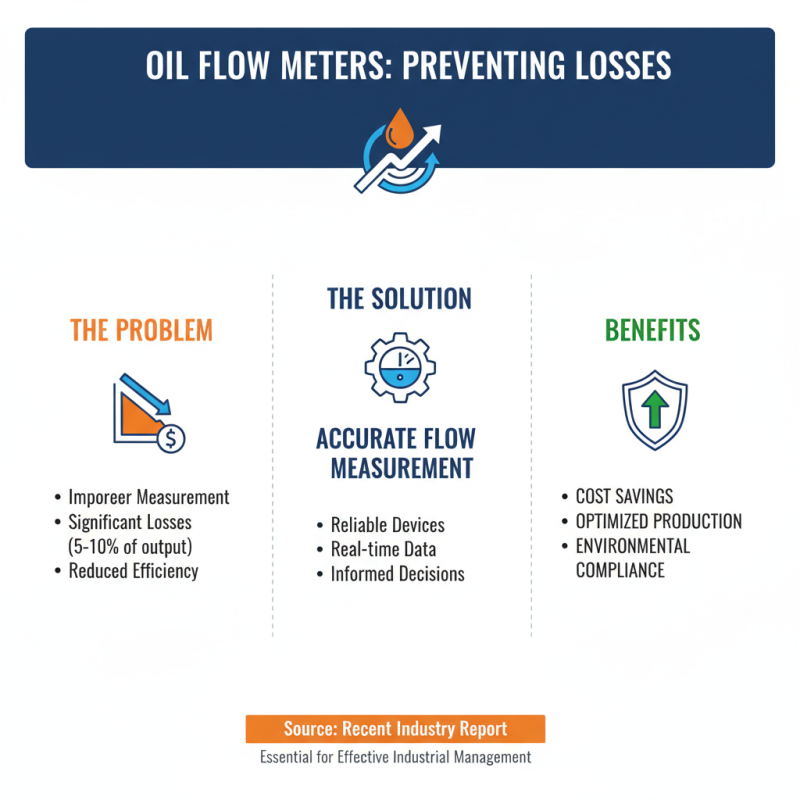
Oil flow meters play a critical role in various industries. They provide accurate measurements of oil flow rates, which is essential for effective management. According to a recent industry report, improper measurement can result in significant losses, estimated at around 5-10% of total output. This highlights the need for reliable flow measurement devices.
In sectors like petrochemicals, the accuracy of oil flow meters directly impacts productivity. Industries that utilize these meters can improve their efficiency and reduce costs. A survey indicated that companies using high-quality flow meters report up to 15% improvement in production optimization. With today's technology, some meters can provide real-time data, allowing for swift decision-making and adjustments.
However, not all flow meters are equally reliable. Various challenges, such as viscosity changes, can affect measurement accuracy. Some organizations overlook proper calibration, leading to errors that impact overall operations. As companies increasingly focus on sustainability, investing in advanced oil flow meters can enhance operational efficiency and help in meeting environmental standards. Regular maintenance and evaluation of these systems are essential for maximizing their benefits.
Different Types of Oil Flow Meters Explained
Oil flow meters are essential in various industries for measuring oil production and consumption. There are several types of oil flow meters, each with unique features and applications. Positive Displacement Meters are popular. They measure the volume of oil by trapping a fixed amount and releasing it. This mechanism ensures high accuracy, even at low flow rates.
Another commonly used type is the turbine flow meter. This device uses a spinning turbine to measure the flow rate. The speed of the turbine correlates directly with the flow of oil. However, these meters can be affected by changes in viscosity. For example, thicker oils may slow down the turbine, leading to inaccurate readings.
Electromagnetic flow meters offer a non-intrusive way to measure flow. They work by applying a magnetic field and measuring voltage changes as oil flows through the meter. This technology is beneficial for varied oil types, but it requires conductive liquids. Not every meter suits every application. Companies must consider factors like flow range and fluid properties. Each choice comes with its complexities and potential setbacks, leaving room for reflection and improvement.
How Oil Flow Meters Measure Flow Rate
Oil flow meters are vital tools that measure the flow rate of oil in various applications. They work by calculating the volume of oil passing through a pipe over time. Technologies like positive displacement, turbine, and ultrasonic are commonly used for accurate measurements. According to a recent industry report, the global market for oil flow meters is expected to grow significantly by 2025, driven by increasing industrial demands.
These meters help in monitoring oil consumption and ensuring efficient operations. A Lube Oil Flow Meter provides precise readings that help in reducing waste and improving maintenance schedules. This way, companies can manage costs effectively. Effective flow monitoring can lead to better decision-making regarding oil use and logistics.
Tip: Regular calibration of oil flow meters is essential for maintaining accuracy.
Additionally, the placement of the meter can impact readings. Ensure that there’s a straight length of pipe before and after the meter. This minimizes turbulence and enhances measurement reliability. By investing time in proper installation, users can gain the most accurate data over the long term.
Factors Affecting the Accuracy of Oil Flow Meters
Oil flow meters play a critical role in measuring the flow of oil accurately. However, several factors can affect their performance. One significant aspect is temperature. The viscosity of oil changes with temperature, impacting how the meter calibrates the flow. For instance, a study by the American Petroleum Institute highlights that viscosity can increase or decrease the flow rate by up to 10%.
Another factor is pressure. High pressure can lead to turbulent flow, which some meters may not handle well. This turbulence can create inaccuracies in readings. According to a report by the International Journal of Fluid Mechanics, up to 15% of readings can deviate due to pressure fluctuations.
Tip: Ensure your setup accounts for potential pressure changes. Regular calibration can mitigate these errors and improve accuracy.
Installation position also matters. If a meter is not correctly oriented, flow disruptions occur. These disruptions can lead to errors as high as 20%.
Tip: Always follow guidelines for meter installation. Positioning can make a significant difference in accuracy. Monitoring external conditions is essential to maintain precision in readings.
Applications of Oil Flow Meters in Various Sectors
Oil flow meters play a crucial role across industries. They measure the flow rate of oil in real-time, with this precision being vital for effective supply chain management. In the oil and gas sector, accurate measurements are essential. Reports from industry experts cite that nearly 85% of operators rely on these meters to verify delivery volumes. Any discrepancy can lead to significant financial losses.
In manufacturing, oil flow meters ensure operational efficiency. For example, they help regulate oil consumption in machinery. Companies report reducing waste by as much as 30% through accurate flow measurement. Oil Tank Flow Meters can integrate with existing systems, enhancing data collection and monitoring. This connectivity allows for immediate adjustments. Yet, not every installation is flawless. Regular calibration is necessary for maintaining accuracy.
In the energy sector, these meters support environmental regulations. They track emissions related to oil usage. Failure to comply can lead to hefty fines. A report highlighted that over 40% of companies faced penalties due to measurement inaccuracies. This underlines the importance of investing in high-quality oil flow meters. It ensures compliance and supports sustainability goals.
Maintenance and Calibration of Oil Flow Meters
Maintenance and calibration of oil flow meters are essential for accurate performance. Regular inspection of the components can reveal potential wear and tear. Some meters may not function properly due to accumulated dirt or corrosion. Simple cleaning can often restore their efficiency.
Calibration ensures that the readings are precise. This process involves comparing the flow meter’s measurement to a known standard. It can be time-consuming but is crucial for reliable data. Sometimes, operators neglect this step, resulting in significant errors. Inadequate calibration can lead to overestimations or underestimations of flow rates.
Different Oil Flow Meter Types have unique maintenance requirements. Magnetic meters may need specific attention to their electrical components. Mechanical meters, on the other hand, could require more frequent servicing of moving parts. Choosing the right type of oil flow meter influences maintenance needs. Overlooking these details can cost more in the long run.
Enhancing Process Efficiency: Insights from Industry Reports on Dual Flow Stainless Steel for Electronic PD Flowmeters
In today's fast-evolving industrial landscape, enhancing process efficiency is paramount for sustaining competitive advantage. Recent industry reports highlight the growing adoption of dual flow stainless steel in electronic PD flowmeters, which has become essential for numerous applications requiring precise flow measurement. The use of stainless steel as a material not only guarantees durability and resistance to corrosive environments but also meets the stringent hygiene standards needed in sectors like food and pharmaceuticals.
The performance of electronic PD flowmeters powered by dual flow stainless steel has shown significant improvements in accuracy and responsiveness. Reports indicate that systems operating at AC 220V/50Hz or DC 12V/24V configurations can achieve more reliable readings, allowing industries to optimize their processes and reduce wastage. This combination of advanced material technology and tailored electrical specifications ensures that flow measurements are both efficient and consistent, essential for high-stakes manufacturing settings.
Additionally, utilizing dual flow stainless steel has been linked to reduced maintenance costs due to its long-lasting properties and enhanced performance. Studies reveal that organizations implementing these flowmeters have reported a decrease in operational downtime and improved throughput, translating directly into higher productivity levels. This trend underscores the critical role that innovative material choices play in shaping the future of industrial processes.
FAQS
: Regular exercise improves physical health. It boosts mood and mental health too. People often feel more energetic after working out.
Aim for at least 150 minutes a week. This can include brisk walking or light jogging. Consistency is more important than intensity.
Yes, exercise can help create a calorie deficit. However, diet plays a crucial role too. It’s important to find balance.
Even short workouts can be effective. You can try 10-minute sessions. Look for opportunities in your schedule.
Yes, starting too fast can lead to injuries. Listen to your body. Gradually increase intensity to avoid burnout or injury.
Set realistic goals that you can track. Joining a group can help too. Sometimes, sharing progress brings accountability.
Conclusion
An Oil Flow Meter is a crucial instrument used to measure the flow rate of oil in various industrial applications. It ensures accurate monitoring of oil usage, which is vital for efficient operation and effective resource management. The importance of these devices cannot be overstated, as they play a significant role in sectors such as petrochemicals, transportation, and agriculture.
Different types of Oil Flow Meters, including positive displacement, turbine, and ultrasonic meters, operate through distinct principles to cater to specific measurement needs. Factors such as temperature, pressure, and fluid properties can influence their accuracy. Regular maintenance and calibration are essential to ensure precise measurements over time. Overall, Oil Flow Meters are indispensable for optimizing processes, reducing waste, and ensuring compliance with regulatory standards across various industries.